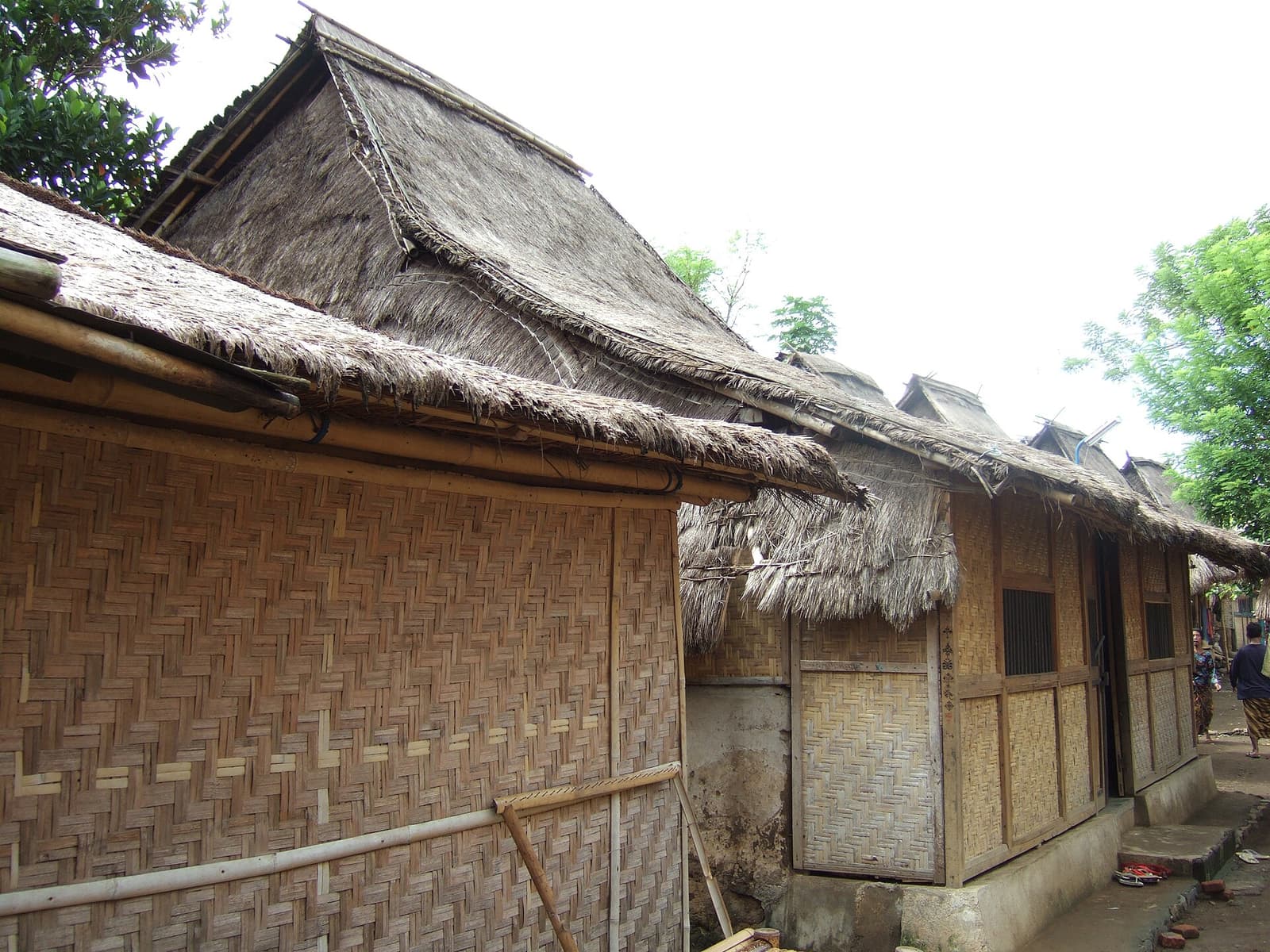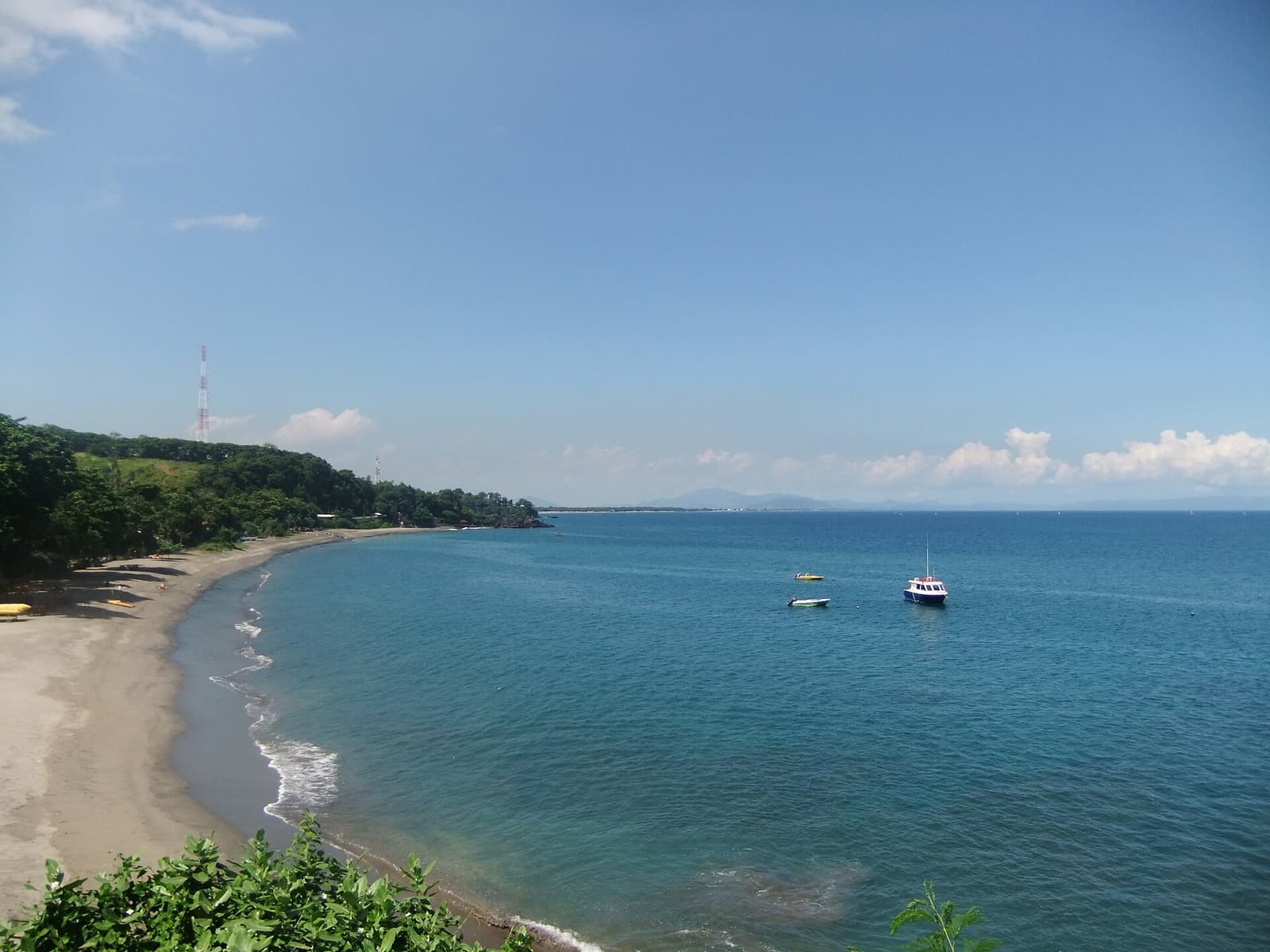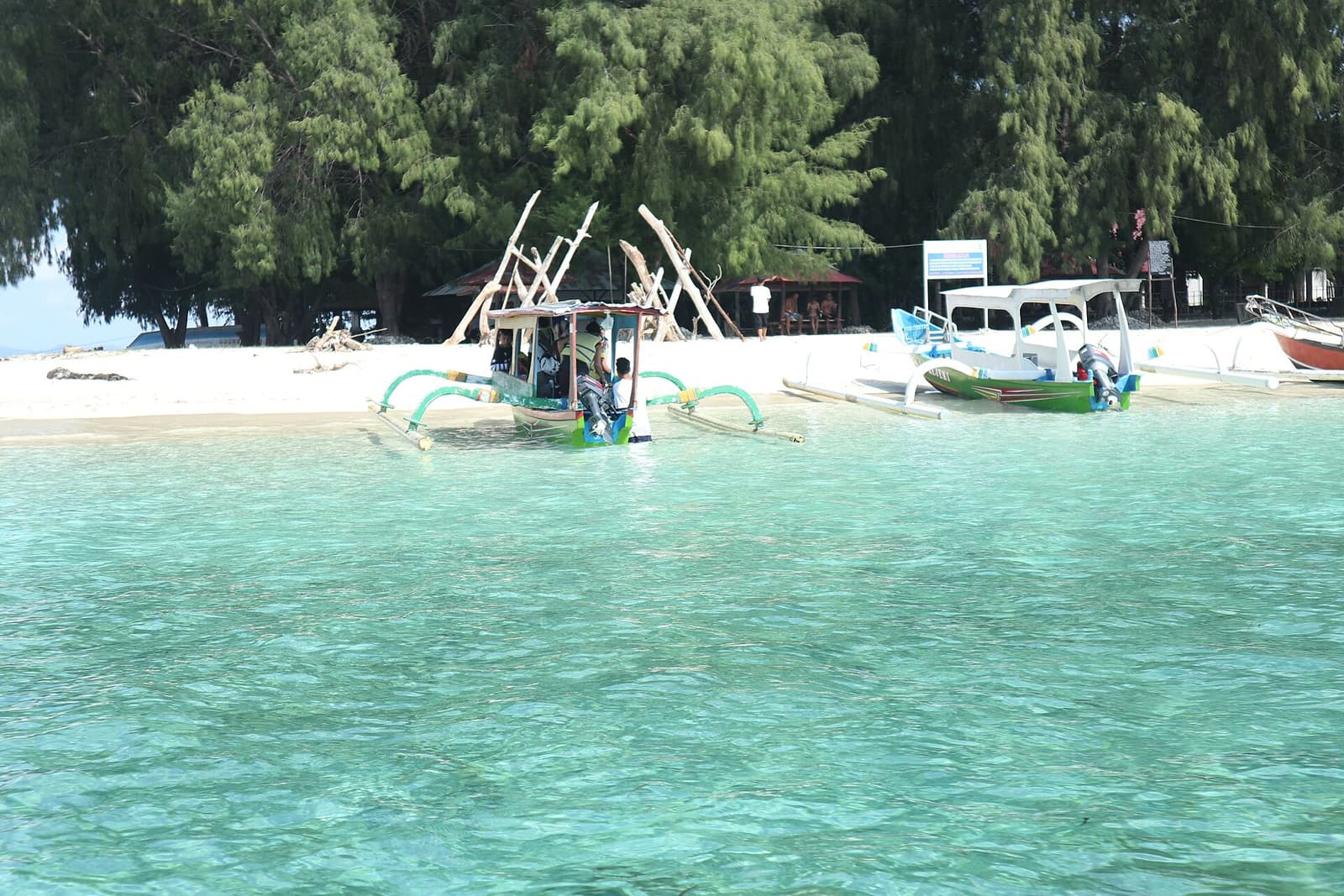
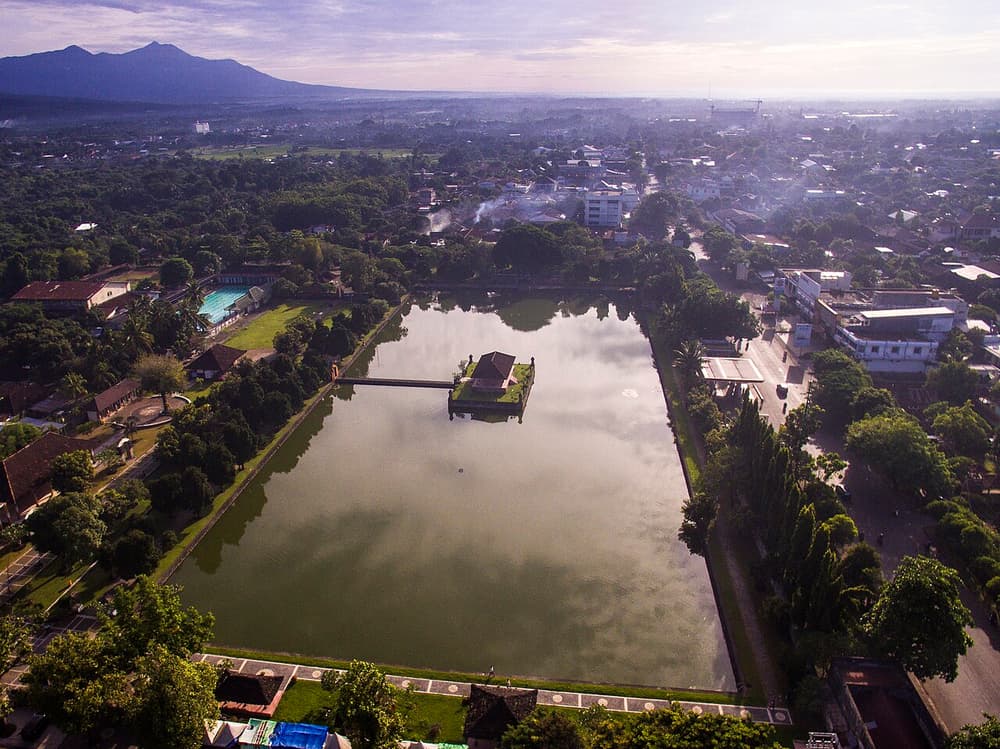
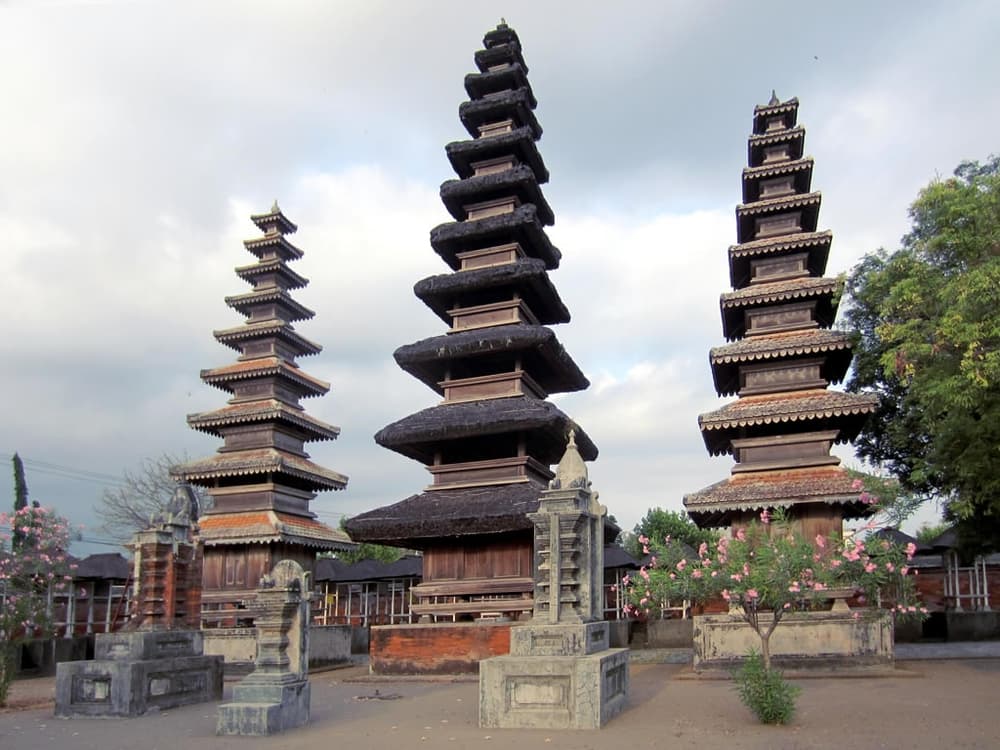
The city grew from several towns that have merged: the old port of Ampenan by the sea, with faded Dutch and Chinese shophouses; Mataram proper, the administrative centre; and Cakranegara, once the seat of the Balinese rajas who ruled Lombok until the Dutch conquest of 1894, with the temple of Pura Meru and the water garden of Mayura.
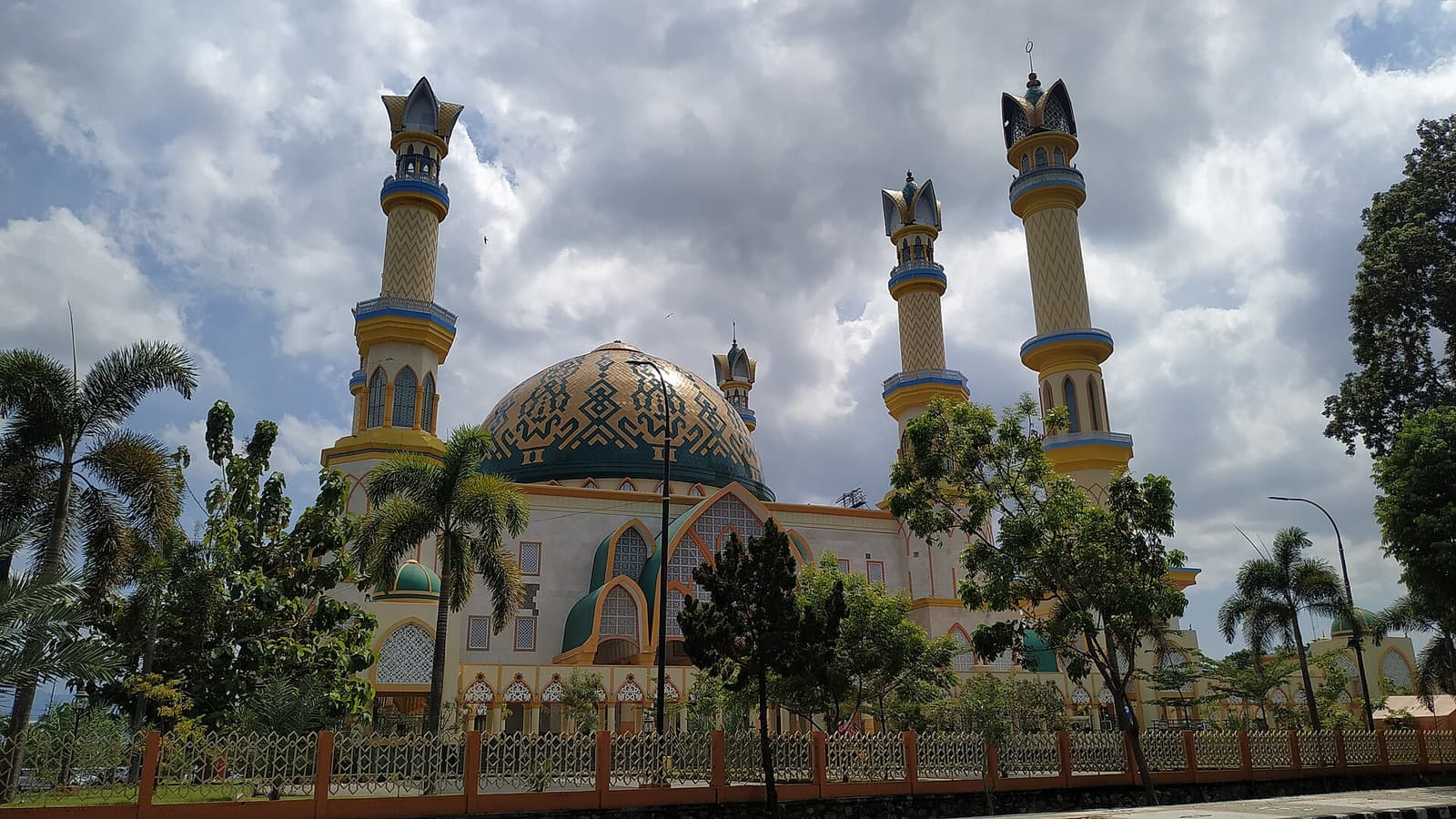
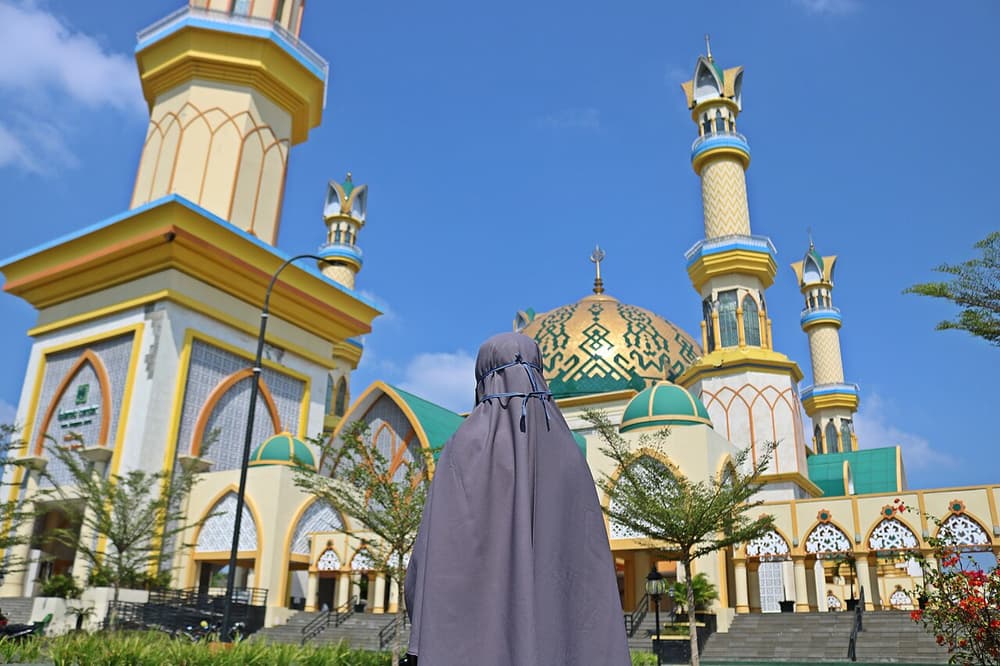
The skyline is dominated by the Islamic Center (Masjid Hubbul Wathan), whose tall minaret offers a view over the city to Rinjani. Lombok is called the “Island of a Thousand Mosques”, and this is its showpiece.
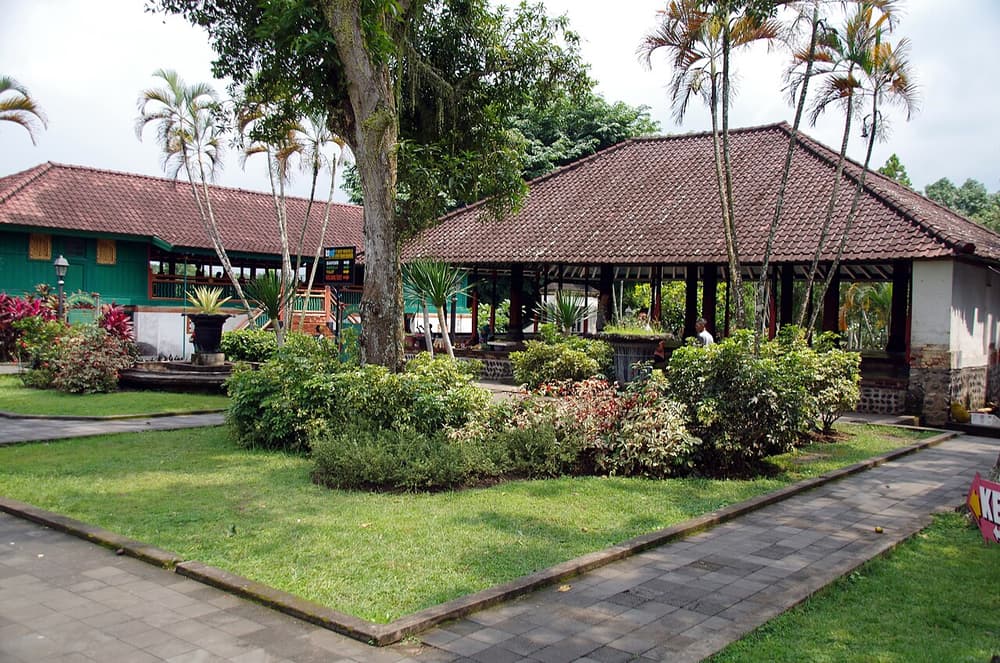
East of the city, two sites are worth the short drive: Taman Narmada, an 18th–19th-century royal garden with pools laid out to evoke Rinjani and its lake, and Pura Lingsar, a temple complex shared by Hindus and followers of the Sasak Wetu Telu tradition, scene of the annual Perang Topat.
Highlights
- The view from the Islamic Center’s minaret
- Mayura’s pavilion floating in a lotus-fringed pool
- Taman Narmada, a royal garden modelled on Rinjani
- Pura Lingsar, where two faiths share one temple
- The tiered shrines of Pura Meru
- Sate rembiga and night-market food
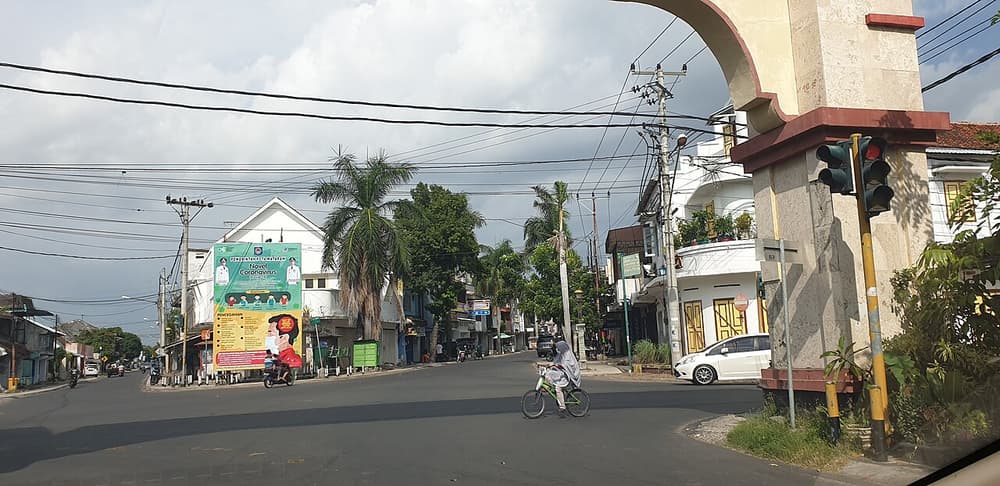
In pictures: Mataram
How long to stay and where to base yourself
Most visitors see Mataram on a day trip from Senggigi. Staying in the city makes sense for an early flight, business, or to be close to the airport road and Lembar harbour. Business hotels cluster around the main avenues; for character, look at the coast at Ampenan or nearby Senggigi.