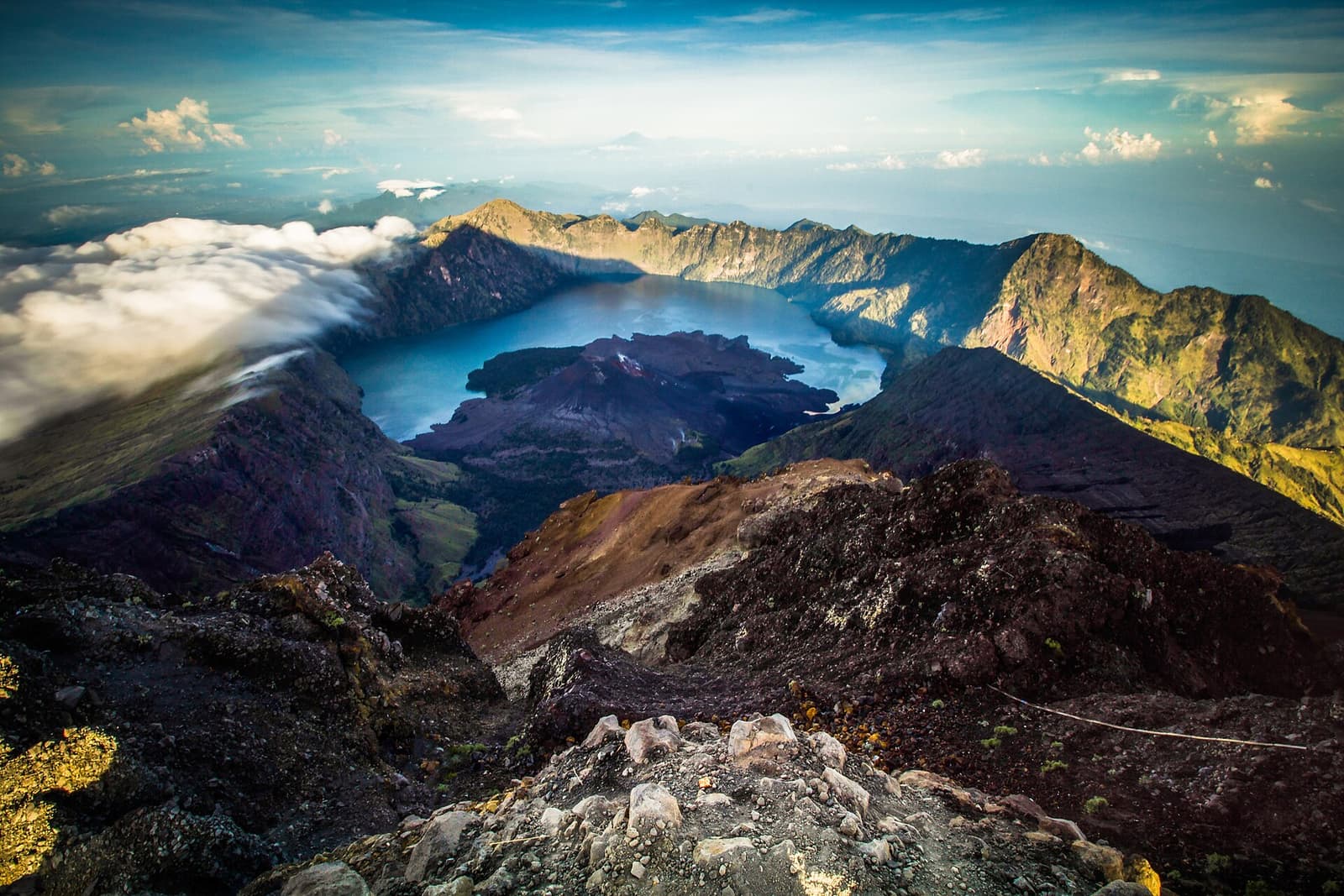
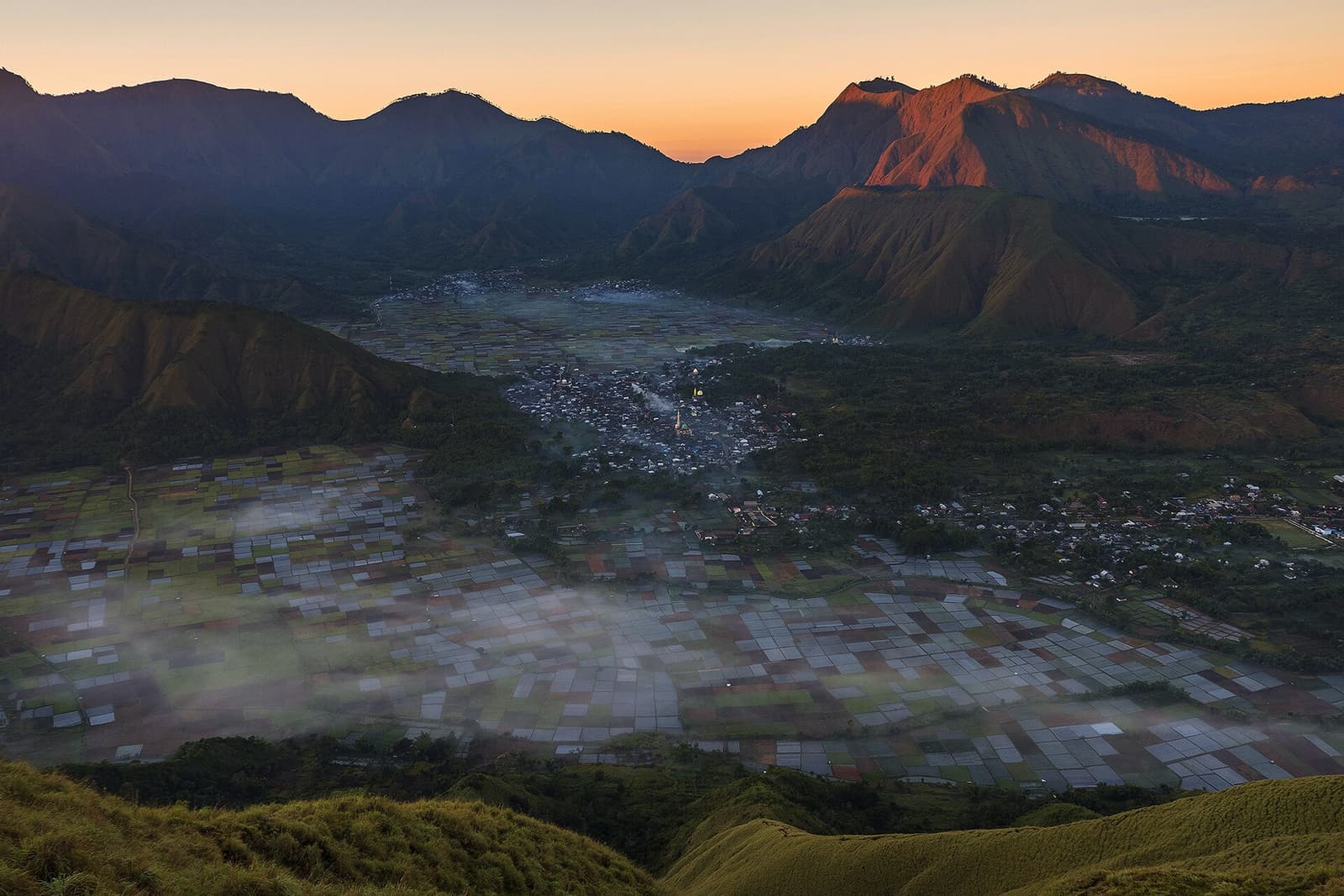
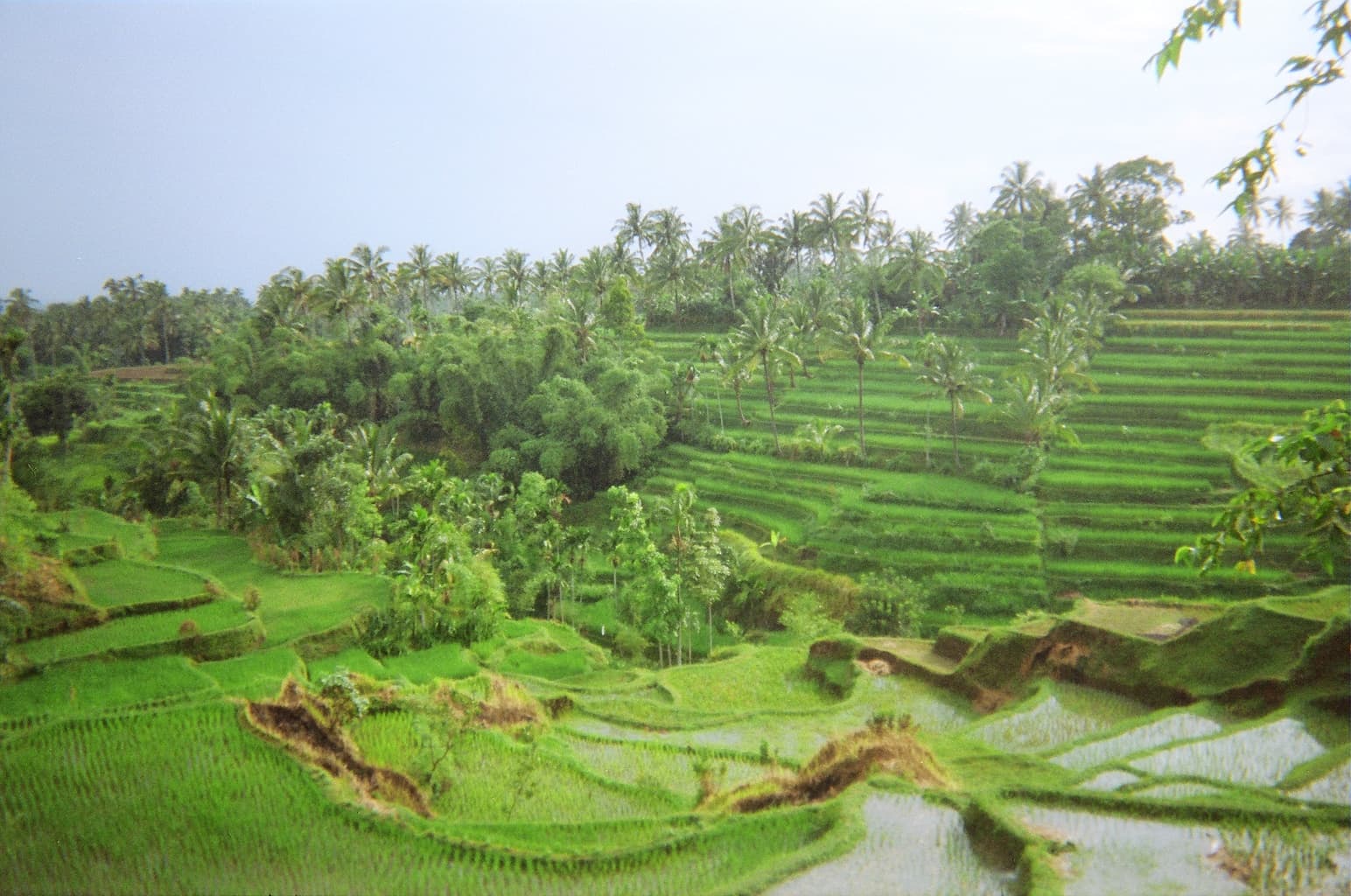
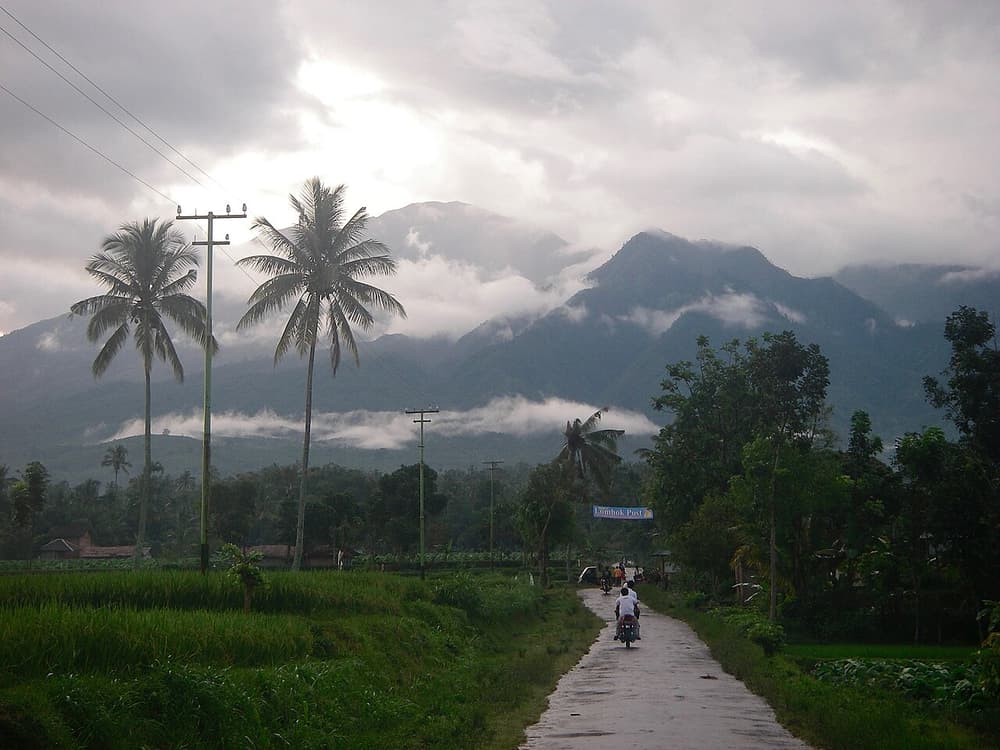
In colonial times Tetebatu was a hill retreat; today it is a scatter of homestays among working fields, with Rinjani rising behind on clear mornings. There are no big sights, and that is the point: you come to walk with a local guide along the irrigation channels, learn what is growing (rice, tobacco, coffee, cacao, vanilla, chillies), swim under a waterfall and eat home cooking on a veranda.
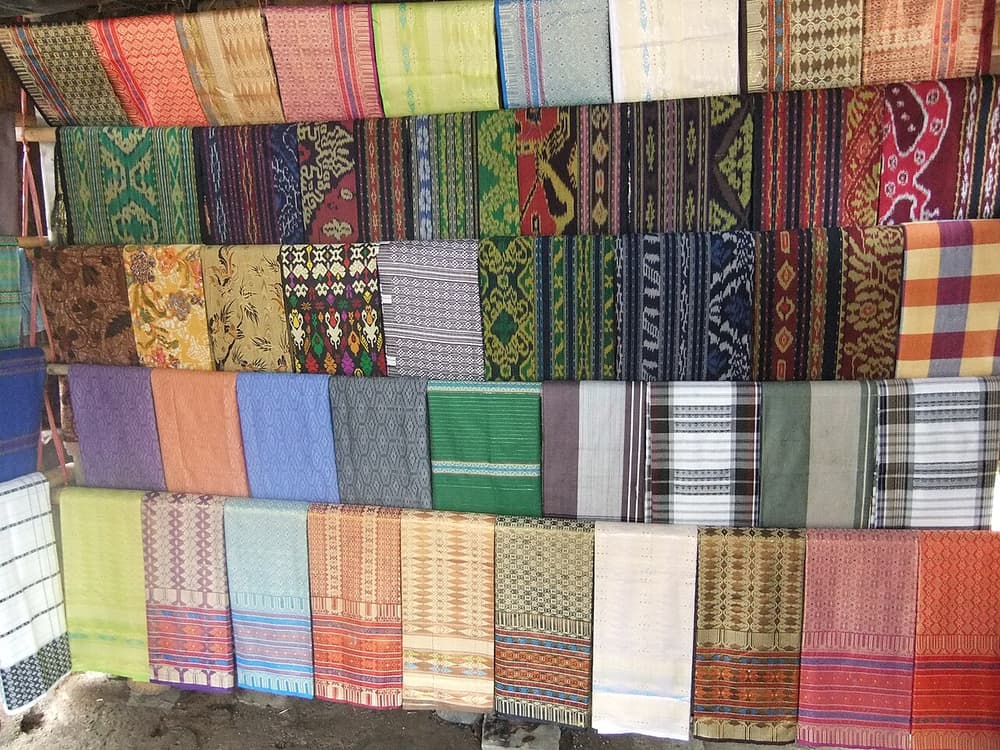
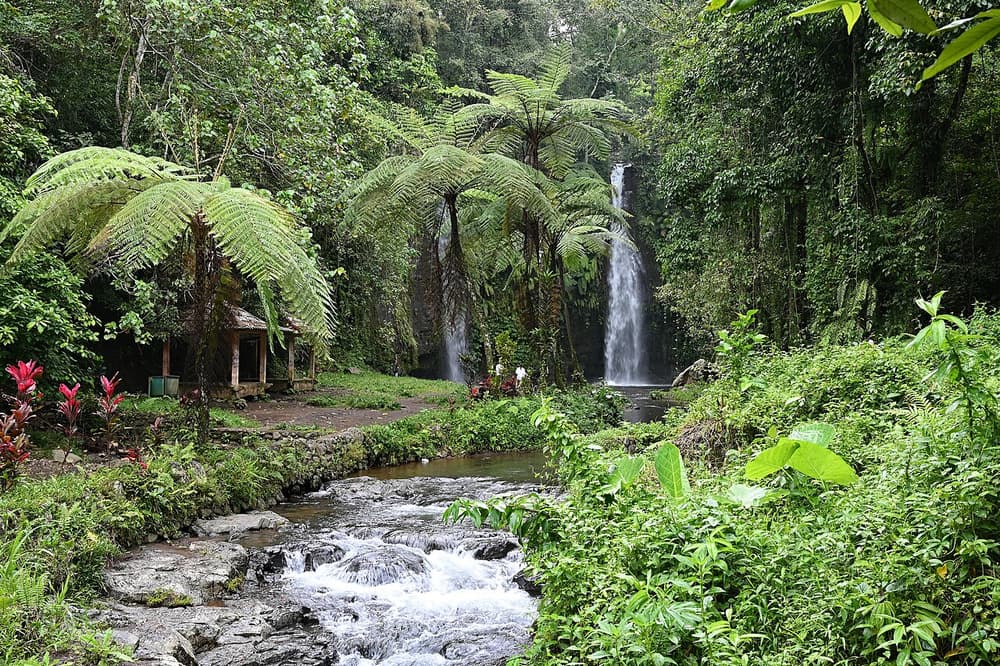
The village is also a good base for the waterfalls of central Lombok, including Benang Stokel and Benang Kelambu, and for craft villages such as Loyok (bamboo and grass weaving) and Pringgasela (handwoven textiles). Combine it with Sembalun to the north or the Sasak villages to the south.
Highlights
- A guided morning walk through terraced rice fields
- Black Javan langurs in the monkey forest
- The twin waterfalls of Benang Stokel and the veil of Benang Kelambu
- Learning about tobacco, coffee, cacao and spices in village gardens
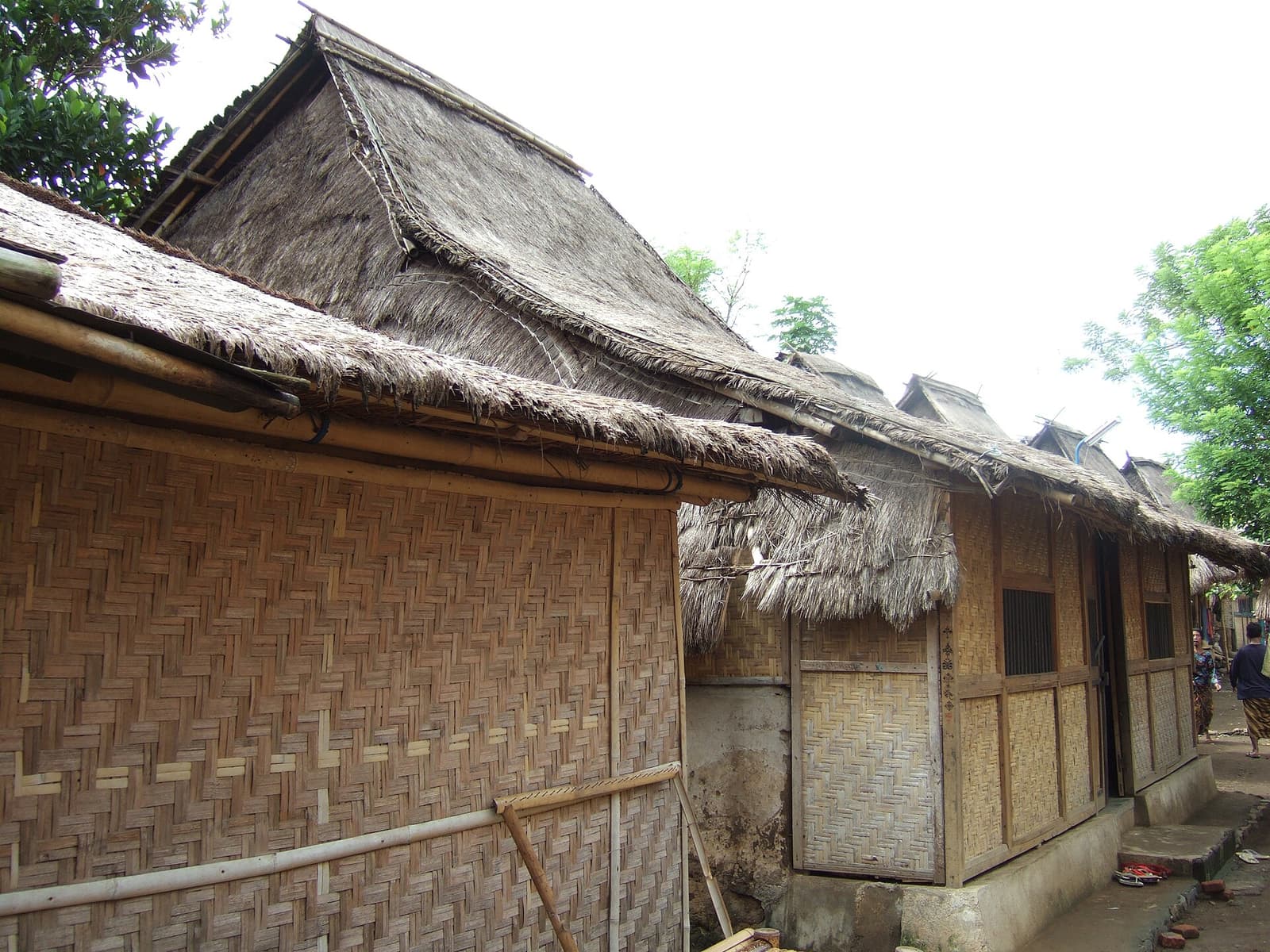
- Home-cooked Sasak food at a family homestay
- Rinjani views at dawn before the clouds roll in
In pictures: Tetebatu
How long to stay and where to base yourself
Tetebatu works as a day trip on a tour, but it is much better overnight: the light and the birdsong in the early morning are the best of it, and a two-night stay lets you add a waterfall day. Accommodation is mainly homestays and small bungalow resorts in the fields, many with simple restaurants. Expect cold-water showers in the cheapest places.