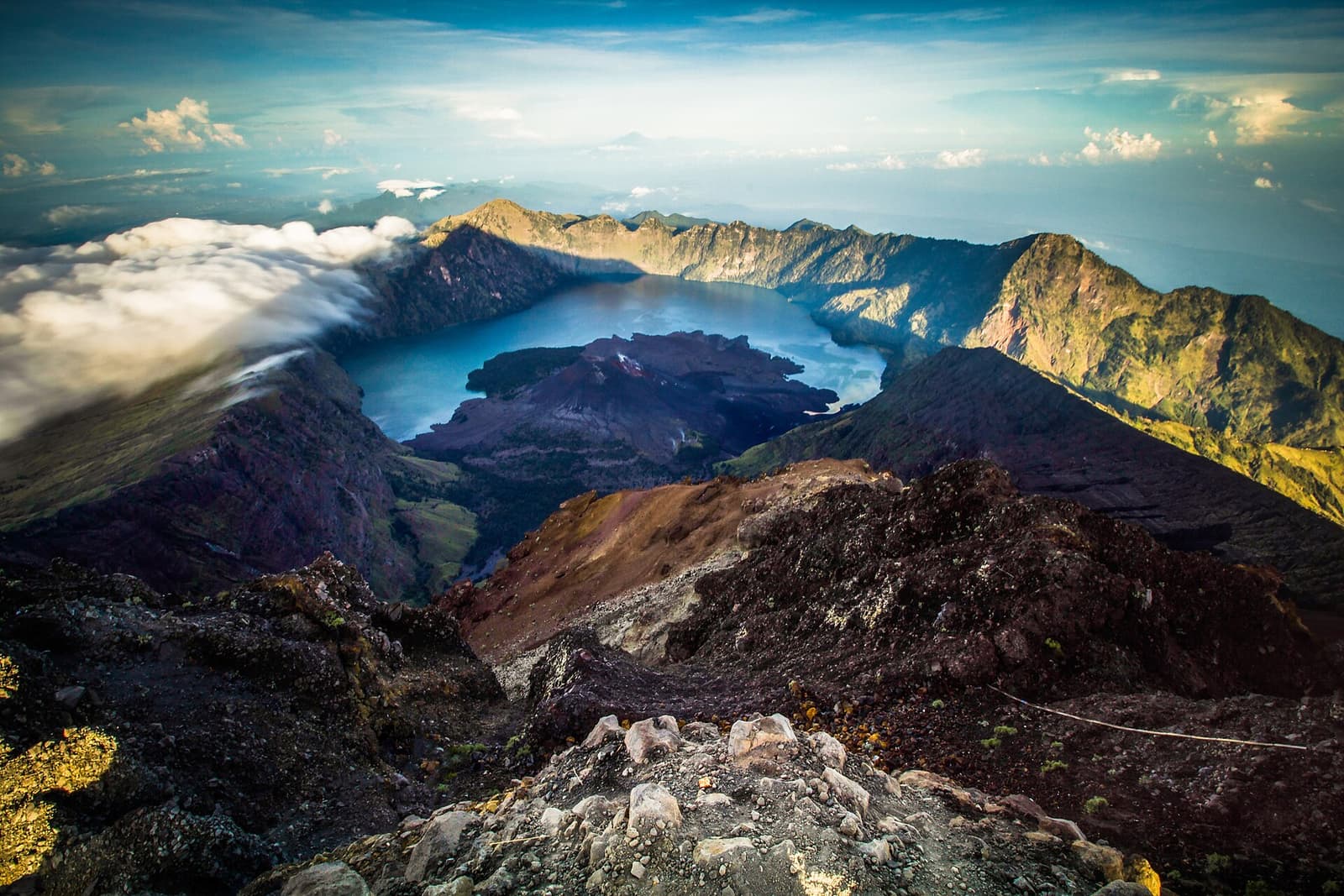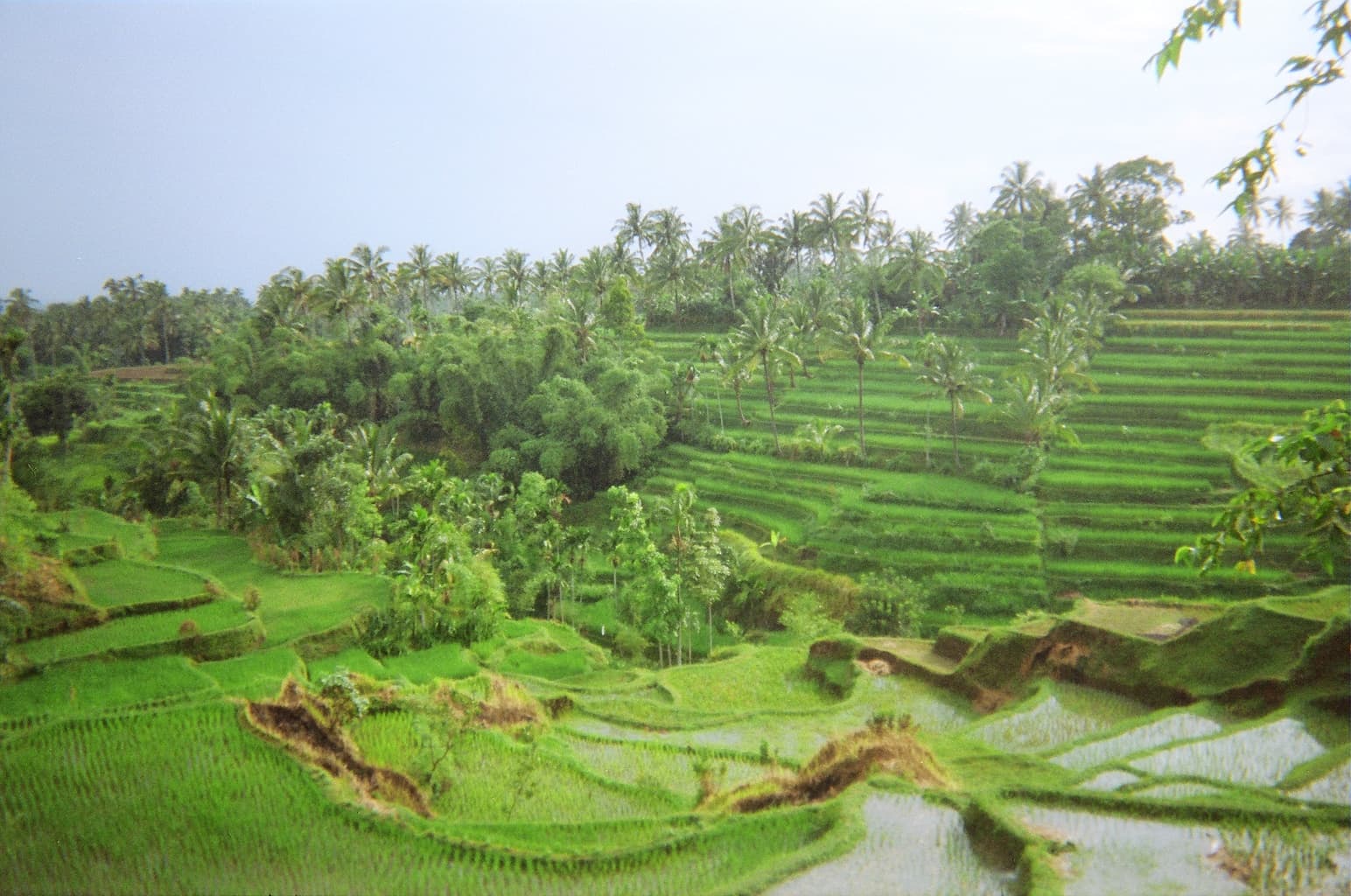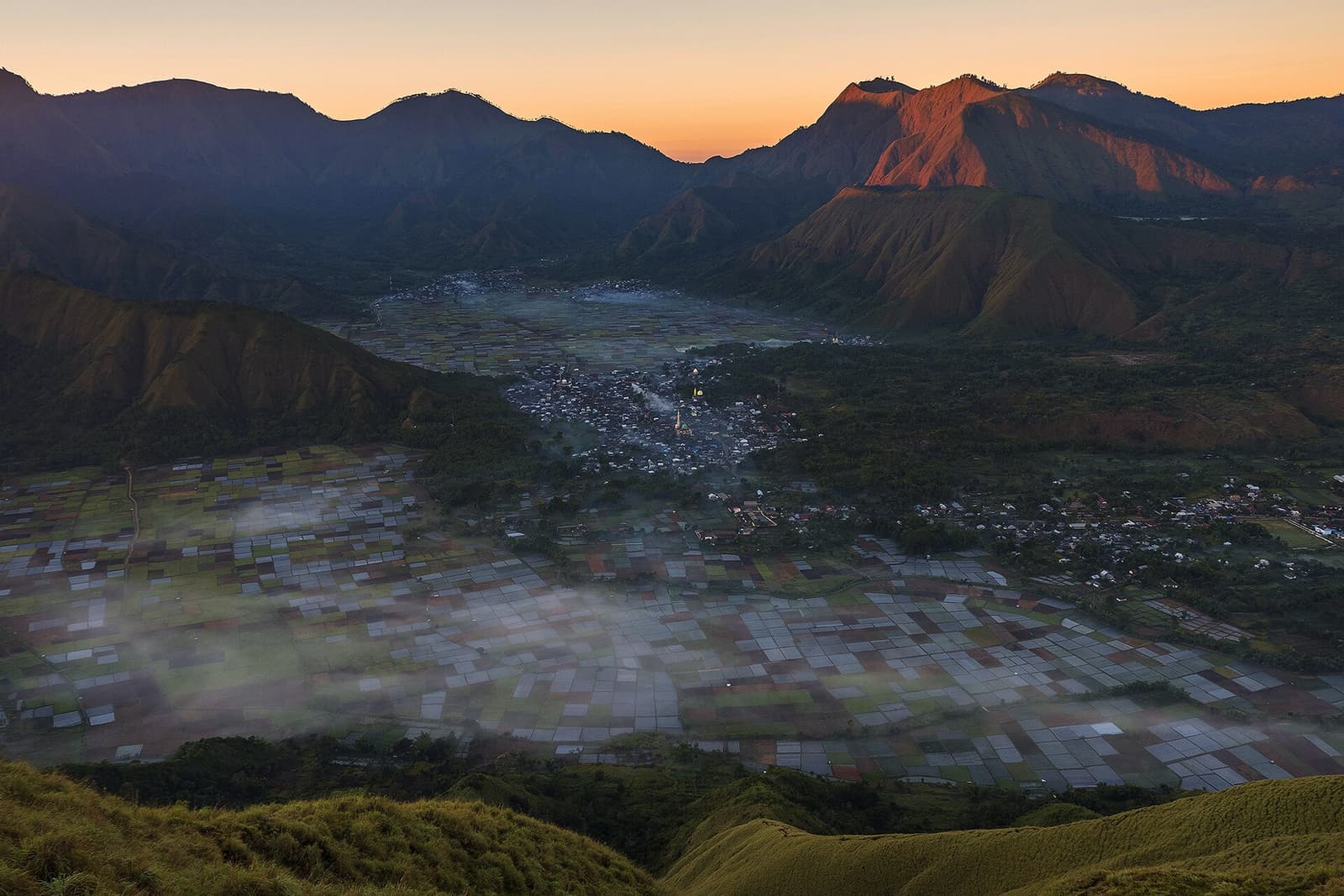
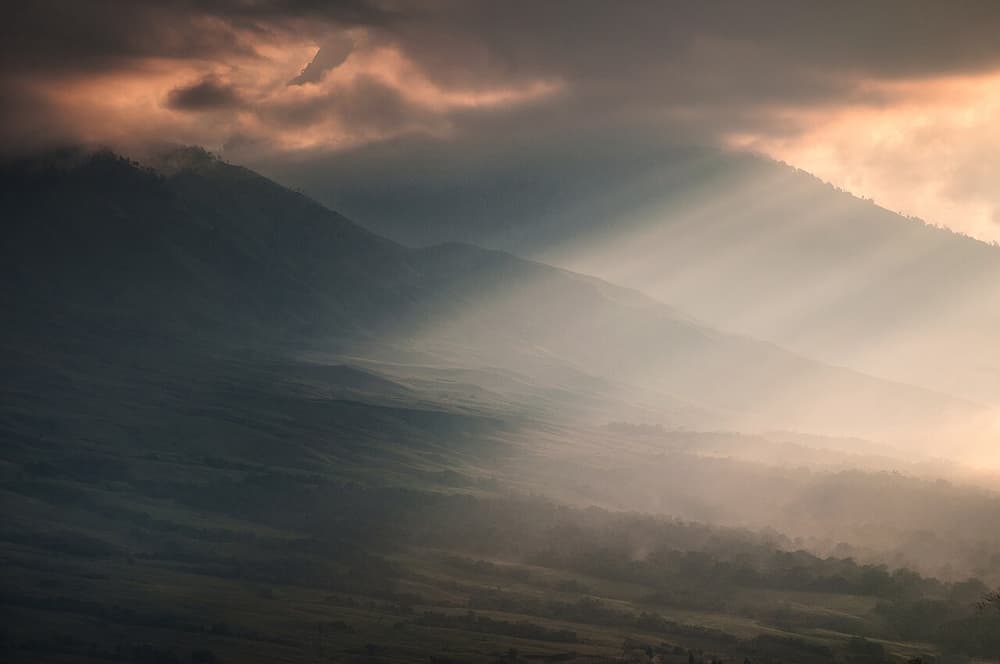
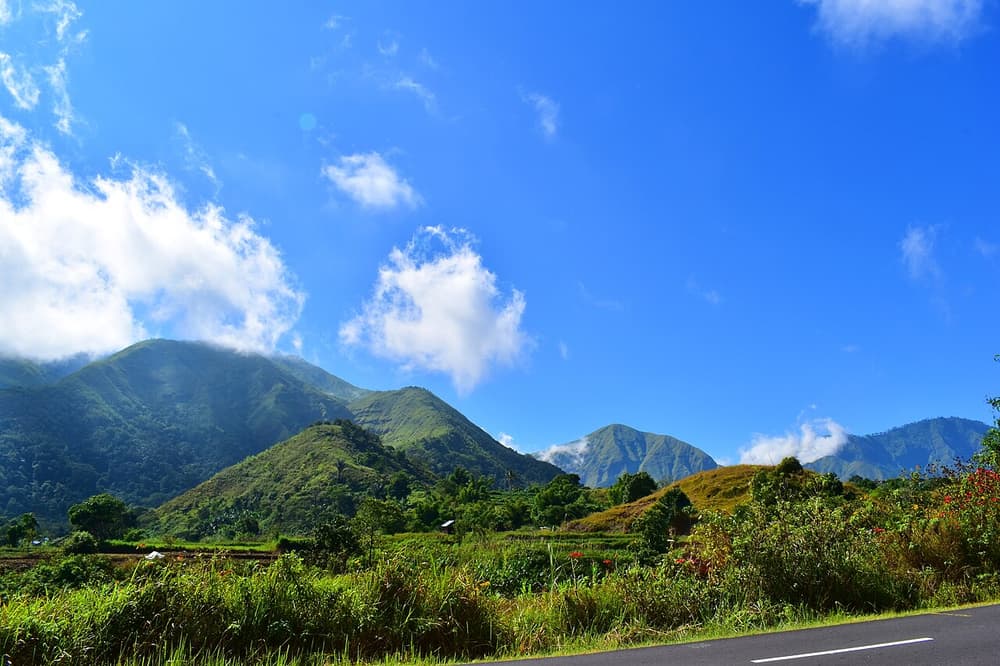
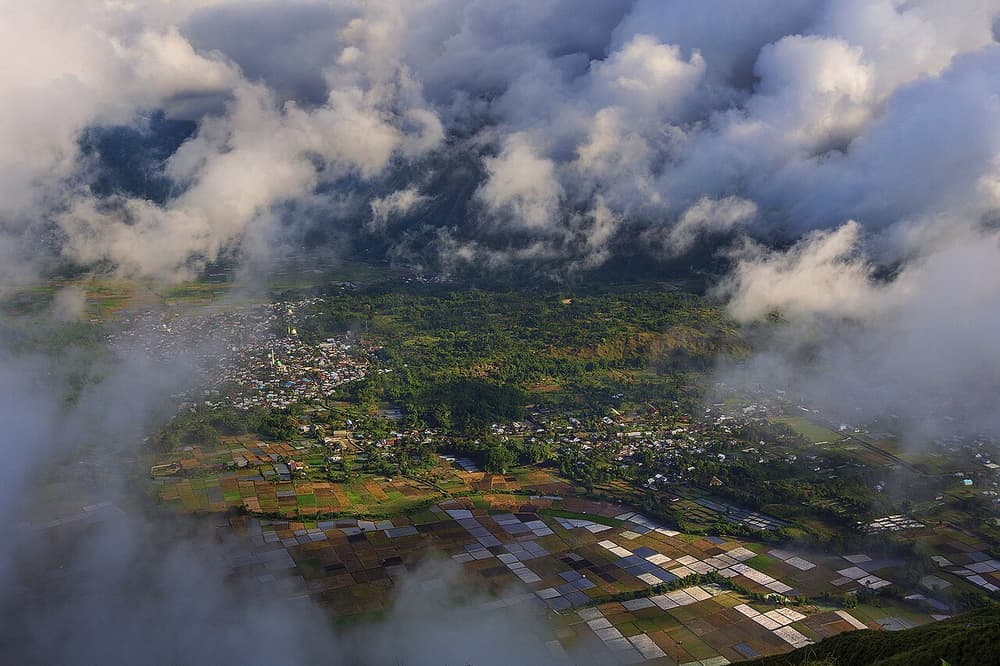
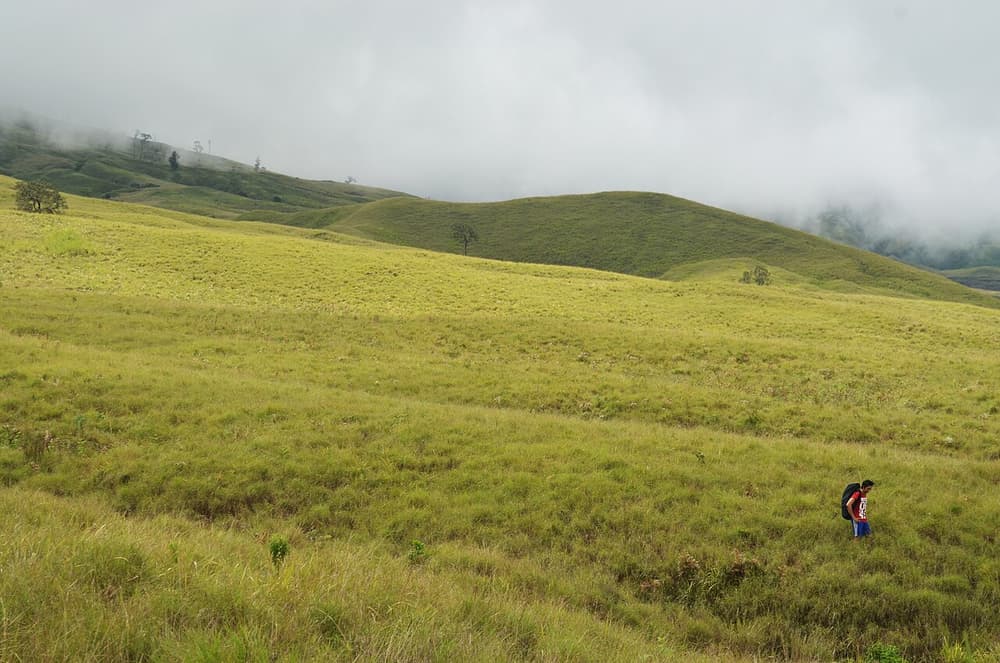
Driving up from the coast or over the Pusuk Sembalun pass, you drop into a valley that feels nothing like the rest of Lombok. The air is fresh, the slopes are bare grassland rather than jungle, and the valley floor is divided into neat squares of garlic, shallots, potatoes, chillies and strawberries. Above it all stands Rinjani, its summit often clear at dawn.
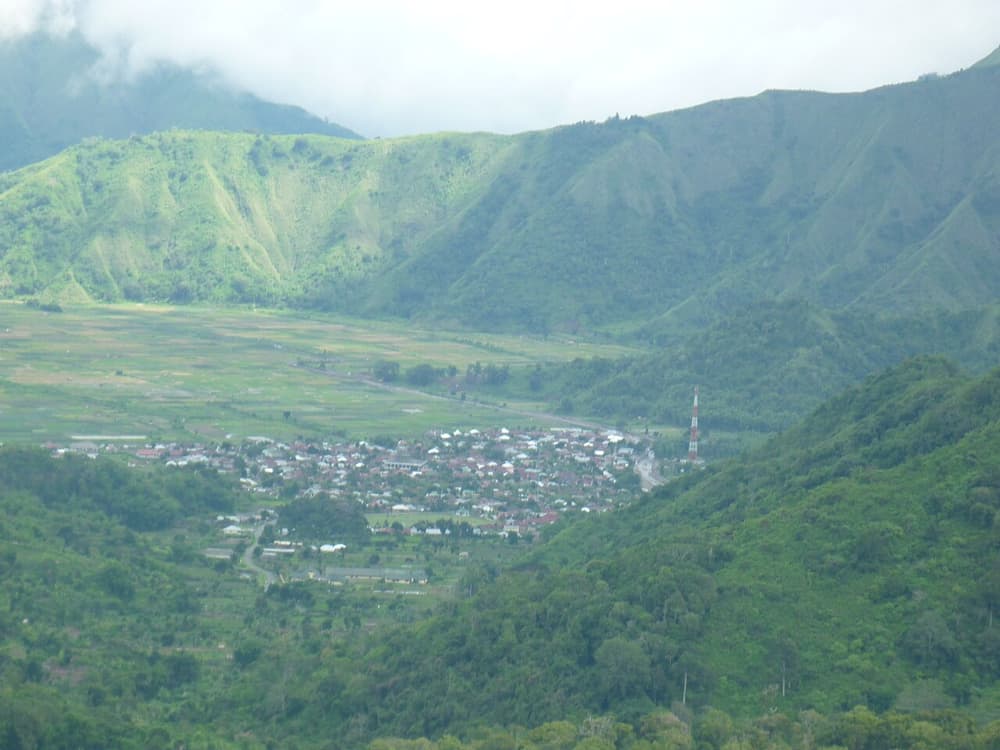
The valley has two main villages, Sembalun Lawang and Sembalun Bumbung, with homestays, lodges and trek offices strung along the road. The Rinjani National Park’s Sembalun trail starts nearby and crosses open savanna to the crater rim, the standard route for the summit.
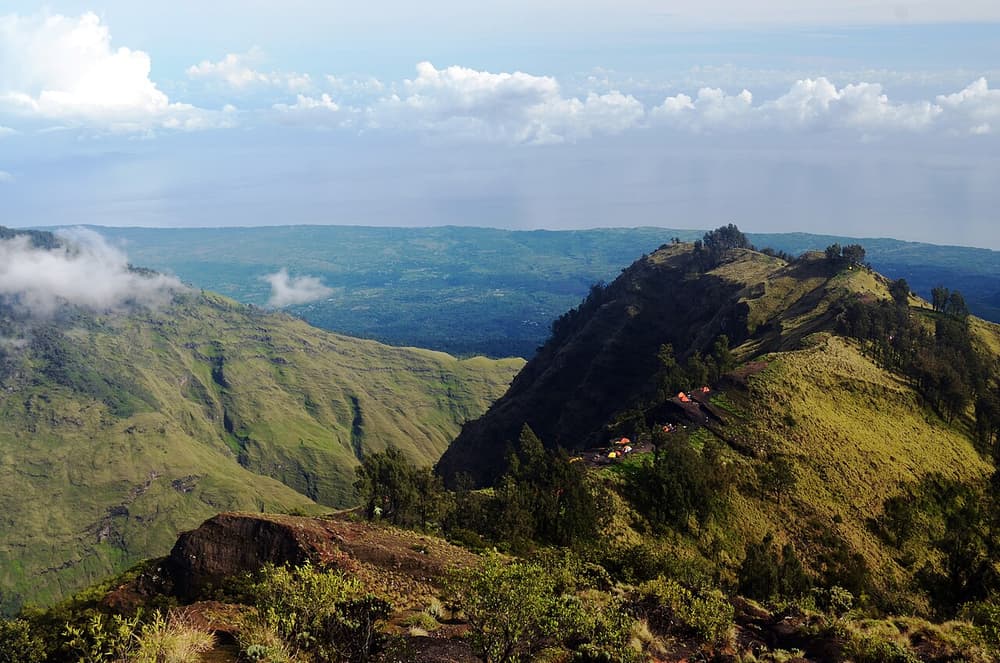
You do not need to climb Rinjani to enjoy Sembalun. Pergasingan hill gives one of the best sunrise views on the island for a couple of hours’ effort, the smaller Bukit Selong viewpoint is a short walk, and the farm roads make for easy rambles. Sembalun also suffered heavily in the 2018 earthquakes; much has been rebuilt, and visitors help the recovery.
Highlights
- Sunrise from Pergasingan hill over the patchwork valley
- The classic Sembalun route to the crater rim and the Rinjani summit
- Bukit Selong viewpoint above thatched traditional houses
- The hairpin drive over the Pusuk Sembalun pass
- Picking strawberries at a farm in season
- Cool evenings — a rare thing on Lombok
In pictures: the Sembalun Valley
How long to stay and where to base yourself
Give Sembalun at least one night — two if you want both a sunrise hike and a lazy day. Summit trekkers usually sleep here the night before starting; most packages include it.
Accommodation is simple: family homestays, small lodges and a growing number of glamping-style huts with views of Rinjani. Rooms rarely have air-conditioning (you will not need it), but check that hot water and blankets are provided.