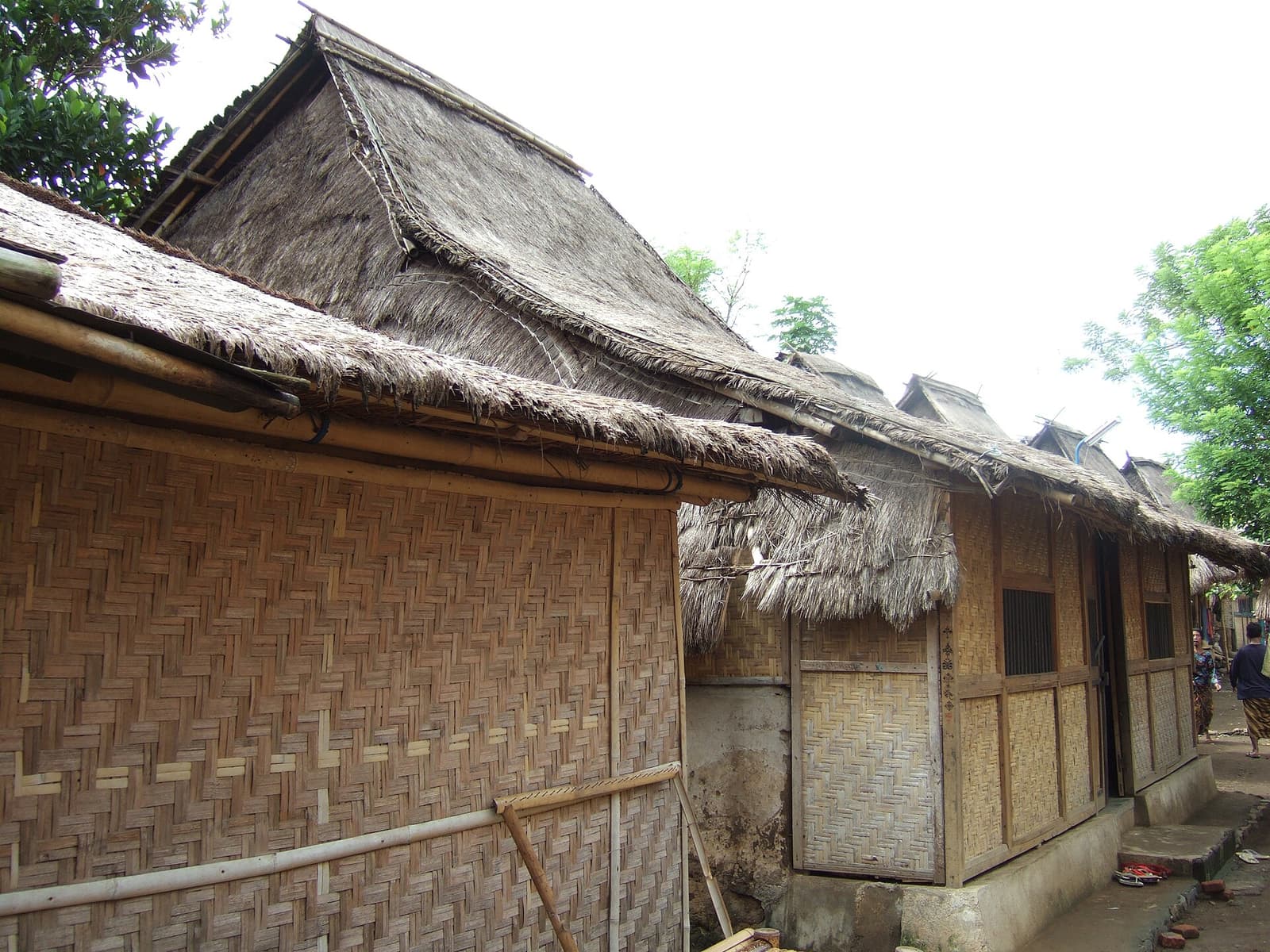
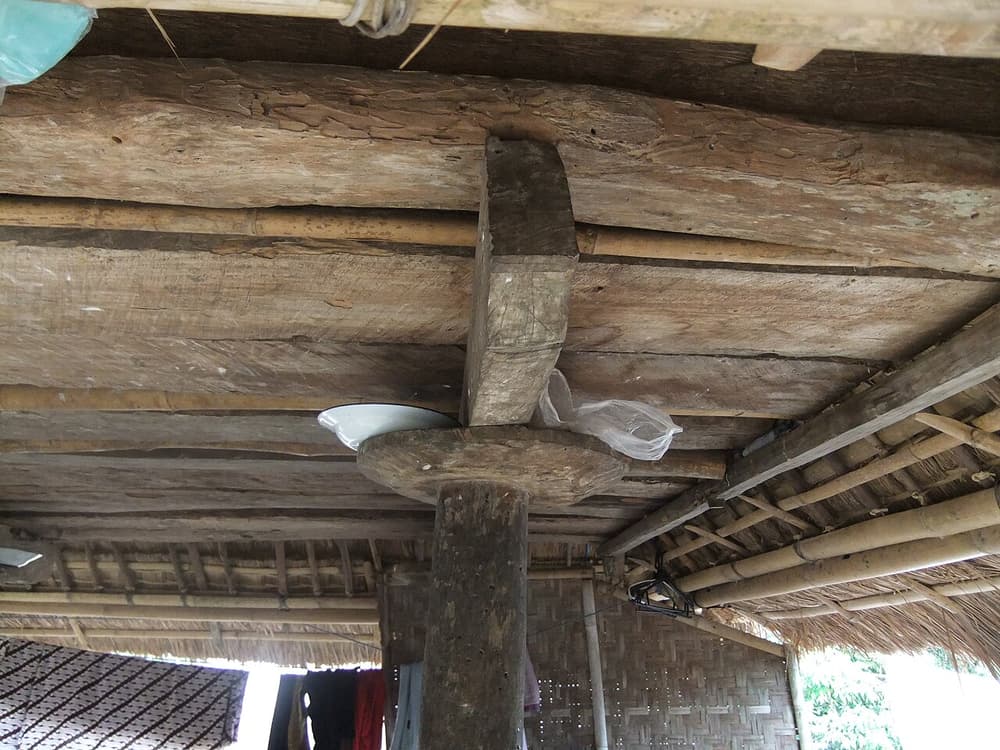
A traditional Sasak hamlet is a tight cluster of houses with steep thatched roofs and floors of beaten earth, set around raised rice barns called lumbung — whose curved roofs became the symbol of Lombok. At Sade and Ende, near Rambitan, families still live this way and welcome visitors with a local guide, who explains the architecture, daily life and customs, such as polishing the floors with a mixture that includes buffalo dung.
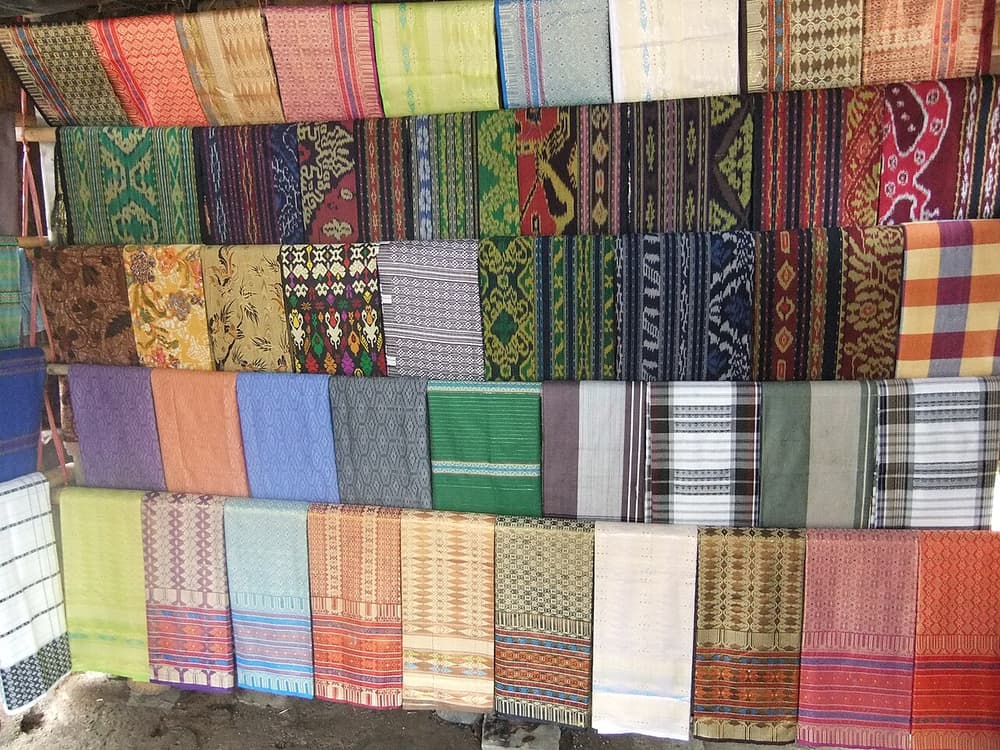
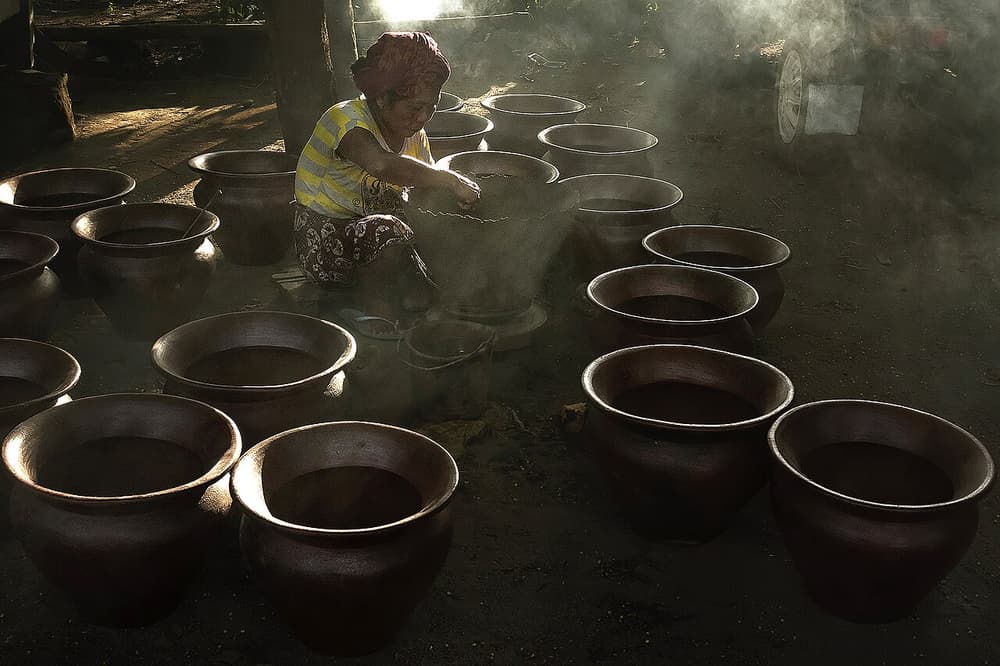
Lombok is also an island of craft villages. In Sukarara, women weave songket and ikat on backstrap looms; in Banyumulek, south of Mataram, potters shape the island’s distinctive terracotta. Pringgasela and Loyok in the east are covered in our Tetebatu guide.
These are working communities as well as attractions. Visits are best with a local guide, a donation or purchase, and plenty of respect. To understand more of the culture you see, read our culture and etiquette guide.
Highlights
- Walking the lanes of Sade or Ende with a villager as your guide
- The iconic lumbung rice barns
- Watching backstrap weaving in Sukarara — and trying it yourself
- Terracotta workshops in Banyumulek
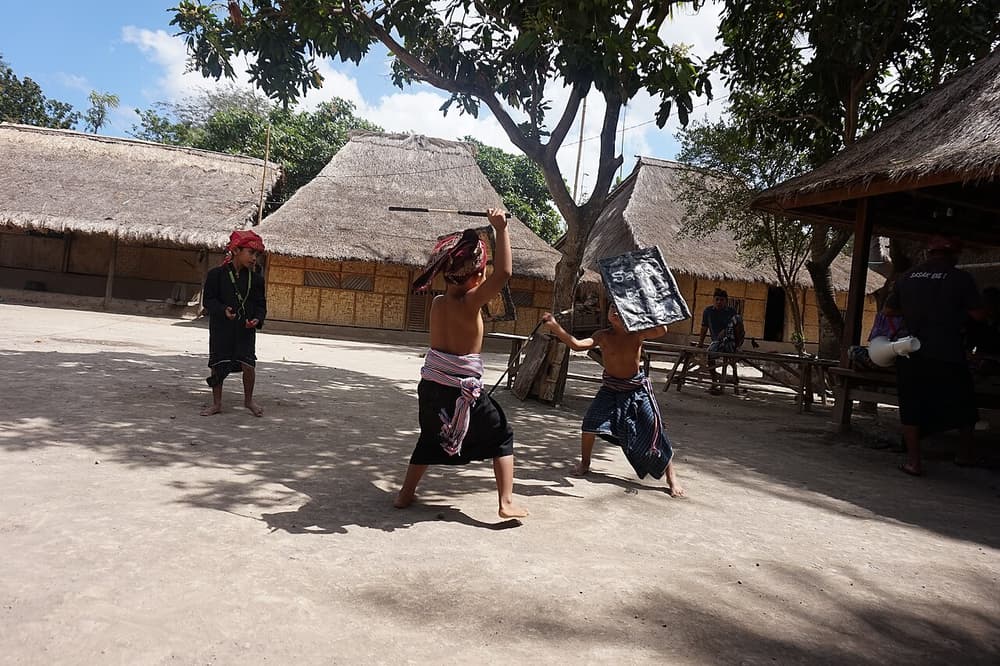
- Presean stick-fighting at festivals and events
- Gendang beleq drum music on special occasions
In pictures: the Sasak villages
How long to stay and where to base yourself
The villages are visited on day trips — most visitors stay in Kuta (20–30 minutes from Sade and Ende) or Mataram (closest to Banyumulek). Half a day covers Sade or Ende plus Sukarara; a full day adds Banyumulek or a south-coast beach.