Season by season
Dry season (May–October)
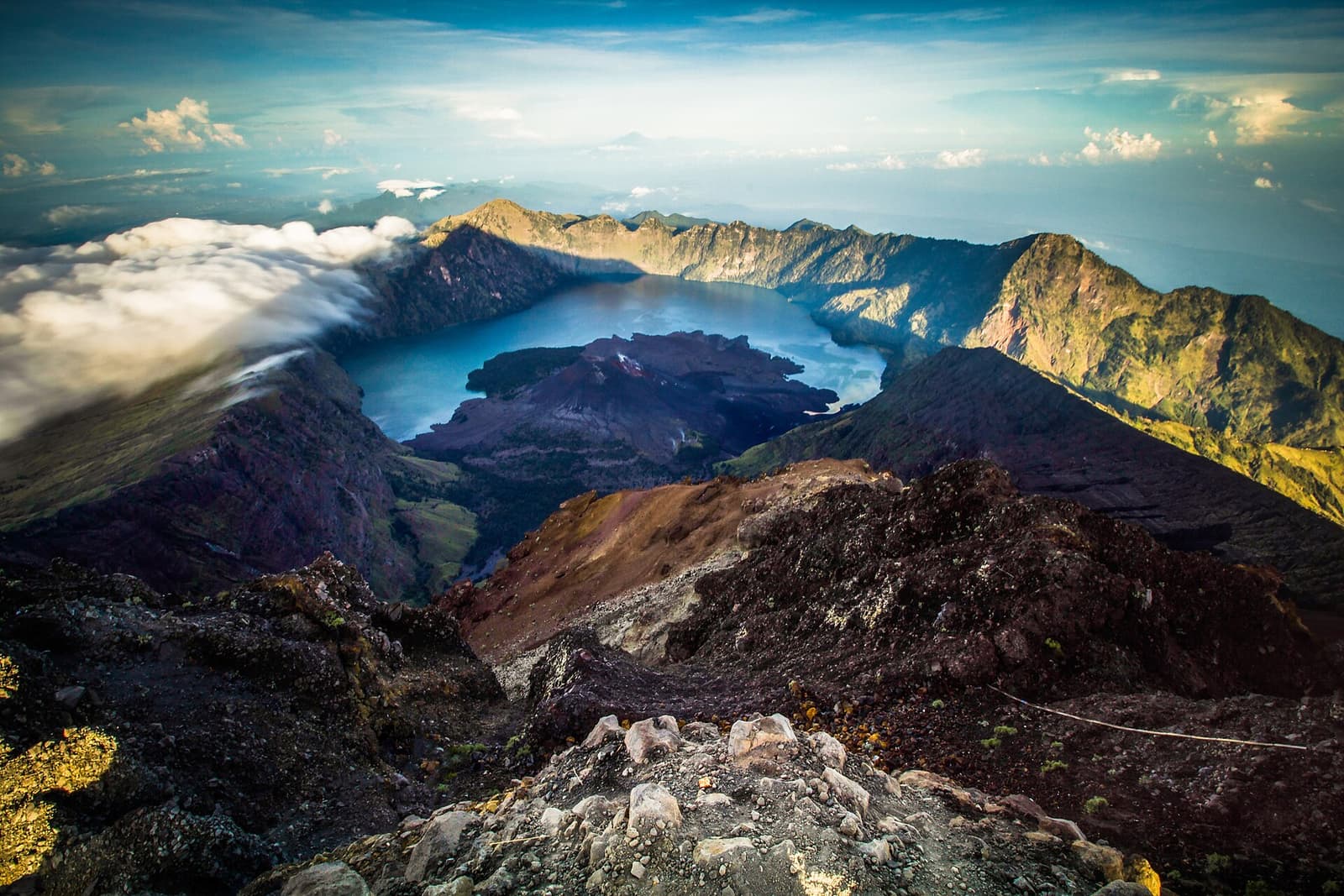
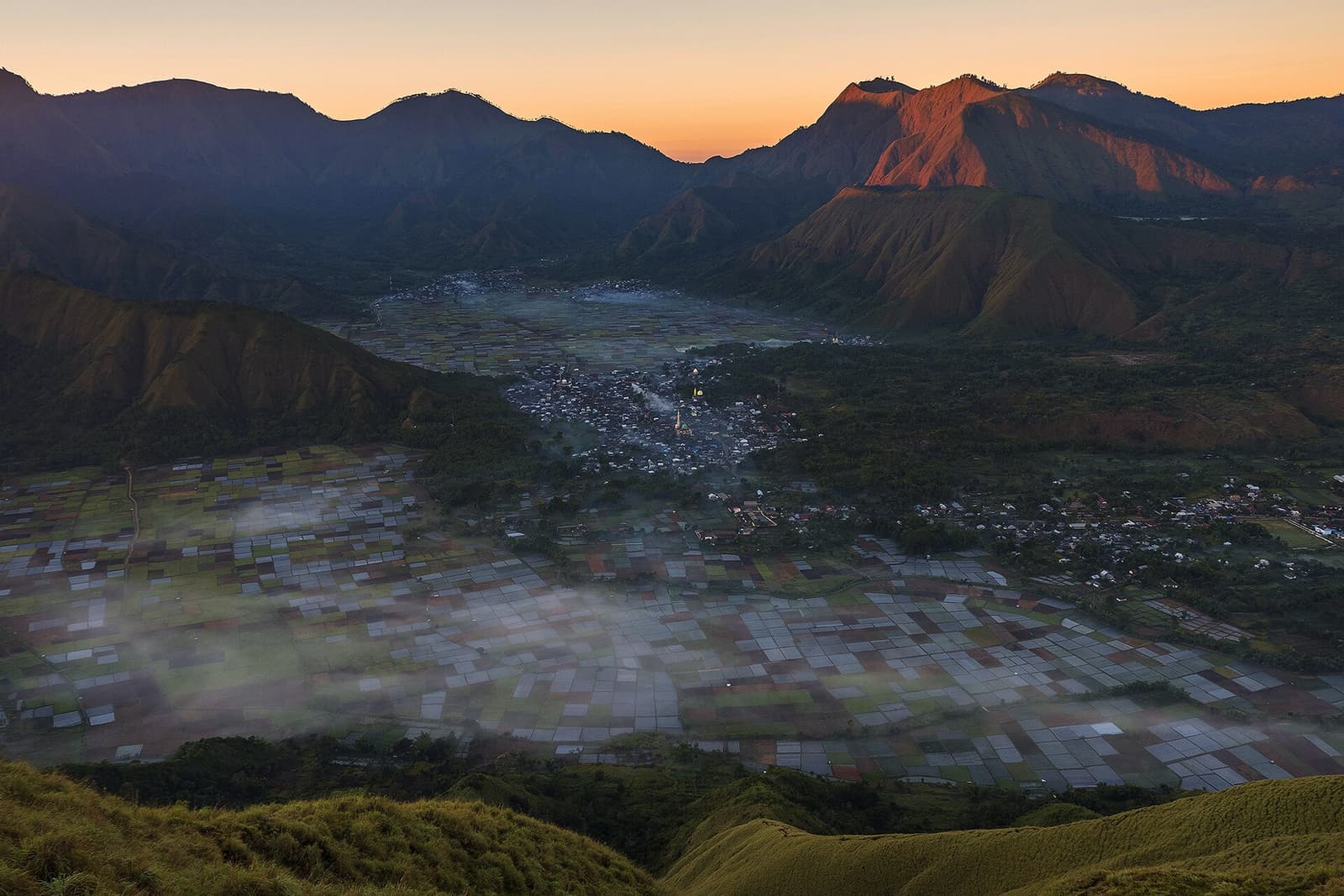
Dry season (roughly May–October): dry paths, clearer mornings and Rinjani views. Some fields lie fallow or turn golden before harvest.
Wet season (November–April)
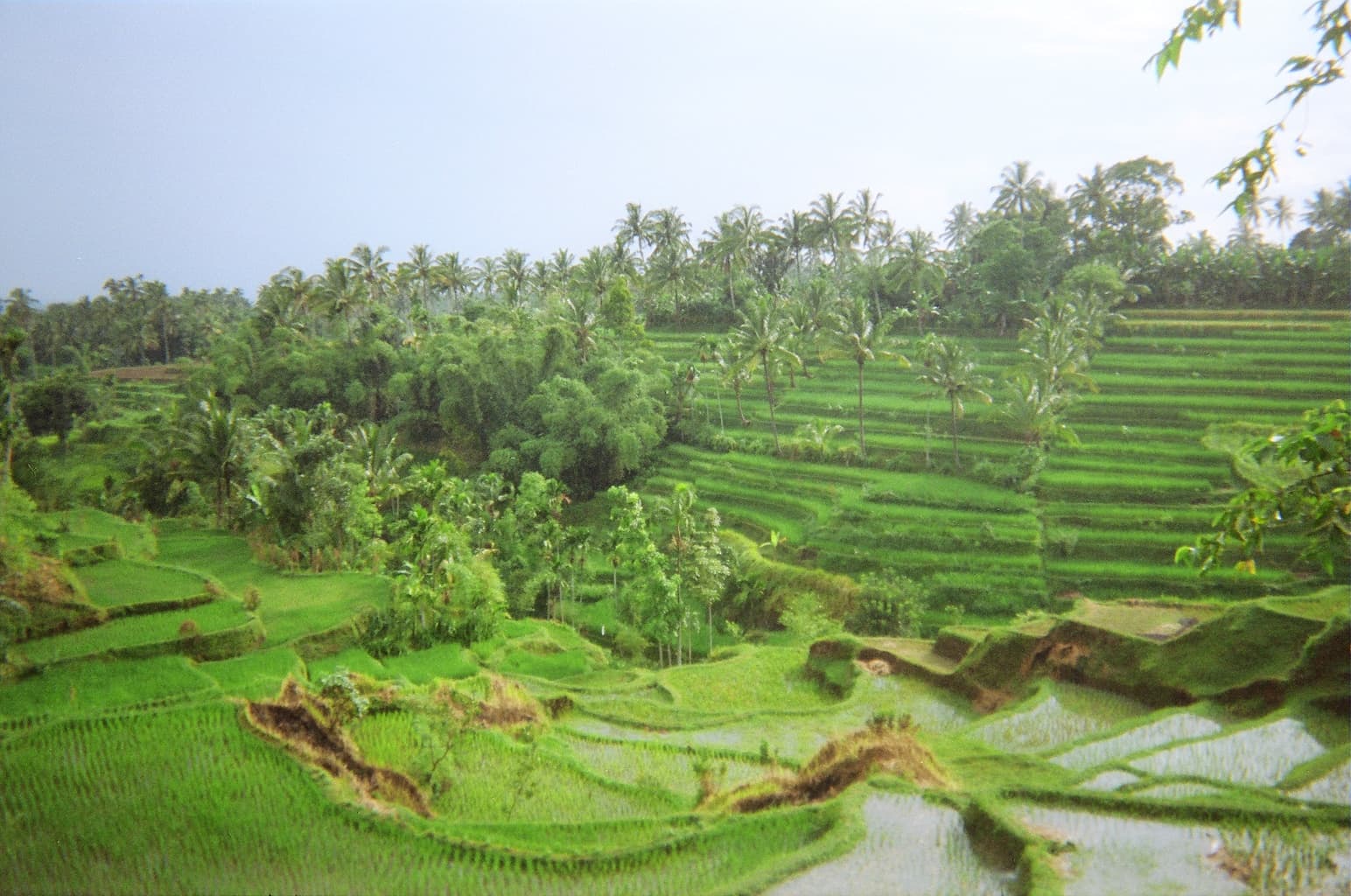
Wet season (roughly November–April): lush, bright-green terraces and full waterfalls, but afternoon downpours and muddy paths.
Sea, surf & trail conditions
Being higher, Tetebatu is several degrees cooler than the coast and gets more rain. Waterfall trails are slippery after storms.
Month by month
| Month | Avg high | Avg low | Rainfall | Crowds |
|---|---|---|---|---|
| January | 26°C | 18°C | 380 mm | Quiet |
| February | 26°C | 18°C | 340 mm | Quiet |
| March | 26°C | 18°C | 300 mm | Quiet |
| April | 27°C | 18°C | 180 mm | Quiet |
| May | 27°C | 17°C | 110 mm | Busy |
| June | 26°C | 16°C | 60 mm | Busy |
| July | 26°C | 15°C | 40 mm | Very busy |
| August | 26°C | 15°C | 25 mm | Very busy |
| September | 27°C | 16°C | 55 mm | Busy |
| October | 27°C | 17°C | 160 mm | Quiet |
| November | 27°C | 18°C | 280 mm | Quiet |
| December | 26°C | 18°C | 360 mm | Quiet |
Temperatures and rainfall are approximate long-term averages for the area, rounded; individual years vary, and mountain villages are cooler and wetter than the coast.
Festivals & events
- Planting and harvest — rice cycles vary, but you will usually see some work in the fields whenever you visit.
- Ramadan and Eid — dates move each year; homestays stay open but village life slows during the fasting month.
Our advice
If you can choose, come at the turn of the seasons (April–May or October–November): green fields, fewer storms and decent views.